The American System: Tariffs and Industry as National Strategy
From Hamilton to McKinley, the United States built its industrial strength on purpose. The tradition is older and more practical than its critics admit.
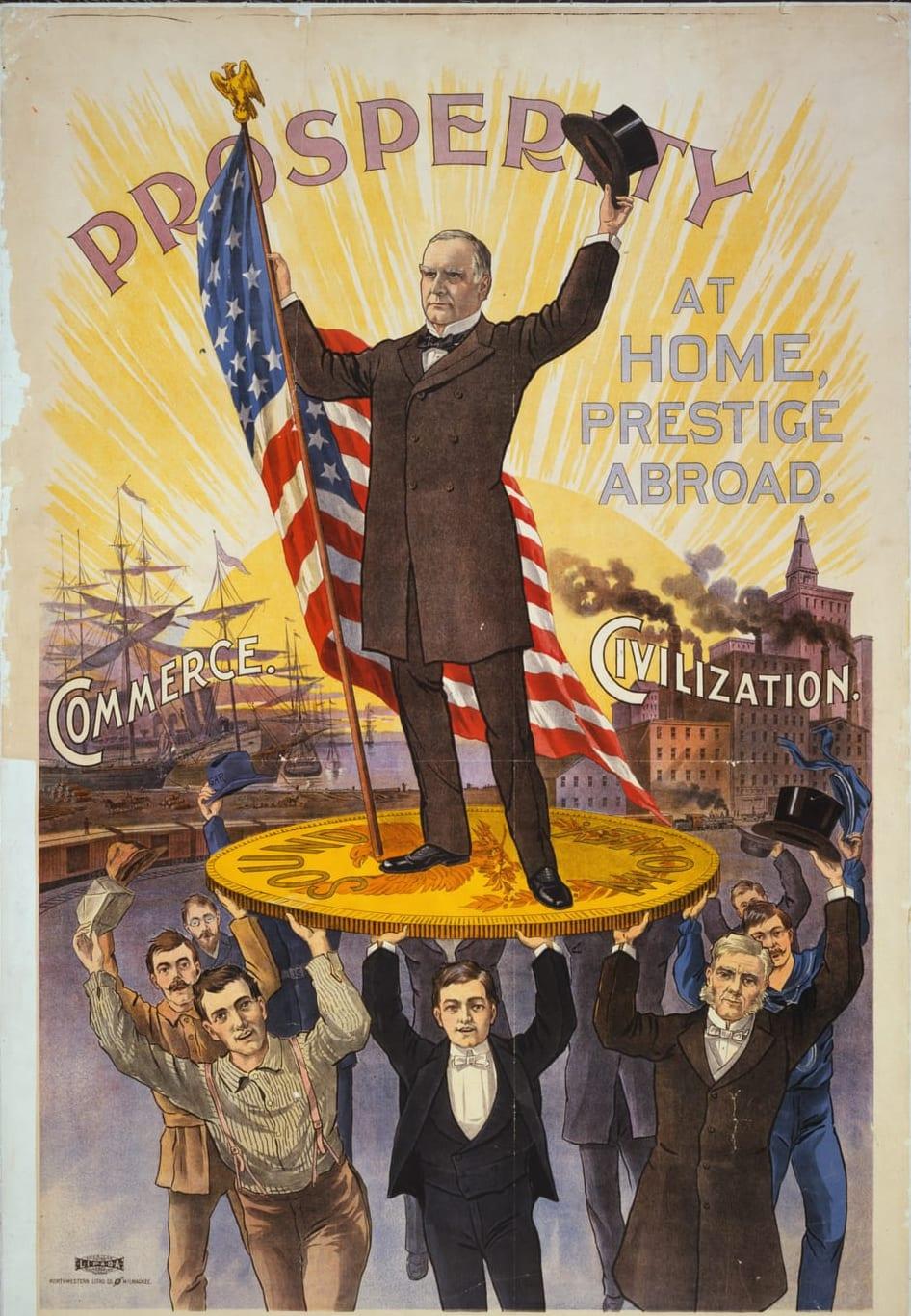
Free traders often treat the tariff as an aberration. For most of the nation's first century and a half it was the rule. The United States became the world's leading industrial economy by the end of the nineteenth century behind a protective wall, built on purpose.
Hamilton's report
In December 1791 Alexander Hamilton sent Congress his Report on Manufactures. A nation of farmers dependent on Europe for finished goods, he argued, would remain poor and exposed. Government should help new industries through their early years with duties on foreign competition, bounties for domestic producers and better roads and canals. Congress adopted only part of the program, but the argument lasted.
“Not only the wealth, but the independence and security of a Country, appear to be materially connected with the prosperity of manufactures.”Alexander Hamilton, Report on Manufactures, 1791
Clay's American System
The War of 1812 made Hamilton's case for him. Cut off from British goods, Americans found out how little they could make for themselves. In 1816 Congress passed the first tariff designed openly to protect American industry, with support from both Henry Clay of Kentucky and John C. Calhoun of South Carolina.
Clay gave the program its name. His American System had three parts: a protective tariff to build home industry, a national bank to provide stable credit, and federal investment in roads and canals to tie the regions into a single market. Western farmers would feed Eastern mill towns, and Eastern mills would sell their goods west. The country would grow as one economy instead of a set of provinces trading separately with Britain.
Lincoln and the Republican program
Abraham Lincoln began his career as a Whig and called Clay his "beau ideal of a statesman." As president he carried much of the old Whig program into law in the middle of a civil war. In 1862 alone he signed a higher tariff, the Pacific Railway Act, the Homestead Act and the Morrill Act creating the land-grant colleges. The National Banking Act followed in 1863.
Those laws helped build the industrial North that won the war and the national economy that followed. The protective tariff remained a pillar of Republican policy for the rest of the century.
McKinley
William McKinley made protection his life's work. As chairman of the House Ways and Means Committee he wrote the Tariff Act of 1890, and as president he signed the Dingley Tariff of 1897. In 1900 he ran for reelection on the promise of the "full dinner pail": steady work and good wages for American labor.
McKinley also used the tariff to bargain. In his last speech, at the Pan-American Exposition in Buffalo in September 1901, he called for reciprocity treaties that would open foreign markets to American goods in exchange for measured concessions. He wanted trade on American terms.
The record, honestly told
The tradition has its failures. The Smoot-Hawley Tariff of 1930 raised duties across thousands of goods through congressional logrolling and invited retaliation abroad. It was a collection of favors with no strategy behind it, and that distinction matters.
After 1945 the United States was the world's dominant producer and could afford open markets, which helped bind allies together against the Soviet Union. Those conditions no longer hold. China has used tariffs, subsidies, cheap credit and forced technology transfer to build the industrial base that free trade theory said no country should bother to subsidize. American manufacturing employment fell sharply in the decade after China joined the World Trade Organization in 2001.
View as table
| Year | Annual average employment, millions |
|---|---|
| 1970 | 17.8M |
| 1979 | 19.4M |
| 1990 | 17.7M |
| 2000 | 17.3M |
| 2007 | 13.9M |
| 2010 | 11.5M |
| 2019 | 12.8M |
| 2024 | 12.9M |
What the lineage teaches
Hamilton, Clay, Lincoln and McKinley treated the tariff as one part of a plan. Protection gave young industries time and a home market, and credit, infrastructure and education gave them the means to grow. Where tariffs served a national purpose, they built a country.
- Name the industries a sovereign country cannot do without, and protect them steadily, for years at a time.
- Pair protection with investment in power, transport, credit and skills, as the American System did.
- Use tariffs to bargain, as McKinley did, opening foreign markets on terms that favor American producers.
- Measure the policy by the factories built and the wages paid in the places that need them most.
More from the Dispatch
All entries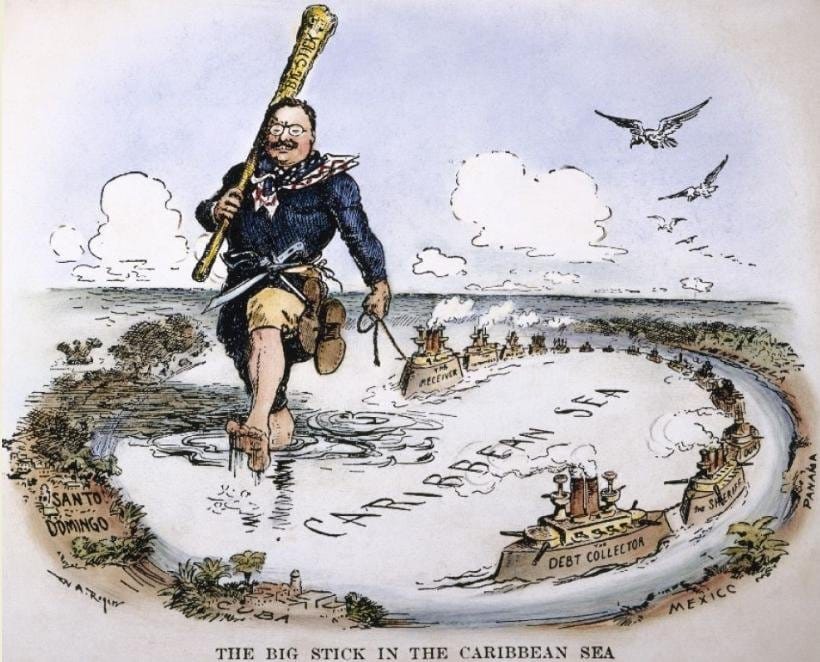
Venezuela and Iran: Two Uses of American Power
The Society backed one and opposes the other. The reason is a single test, and procedure has little to do with it.
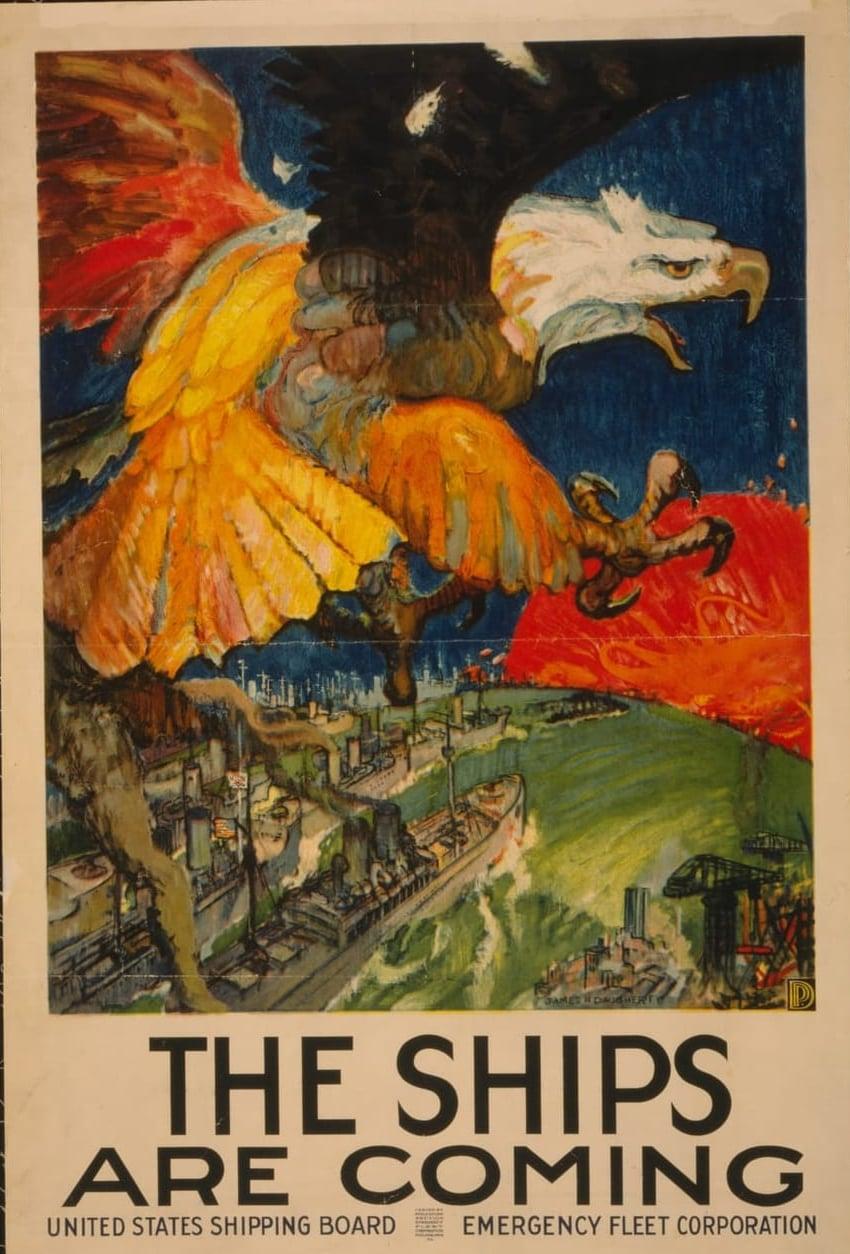
Ships for a Sea Power: Rebuilding American Shipbuilding
The country that built more than 2,700 Liberty ships in four years now builds a fraction of one percent of the world's commercial ships. Policy Brief No. 2 sets out how to change that.
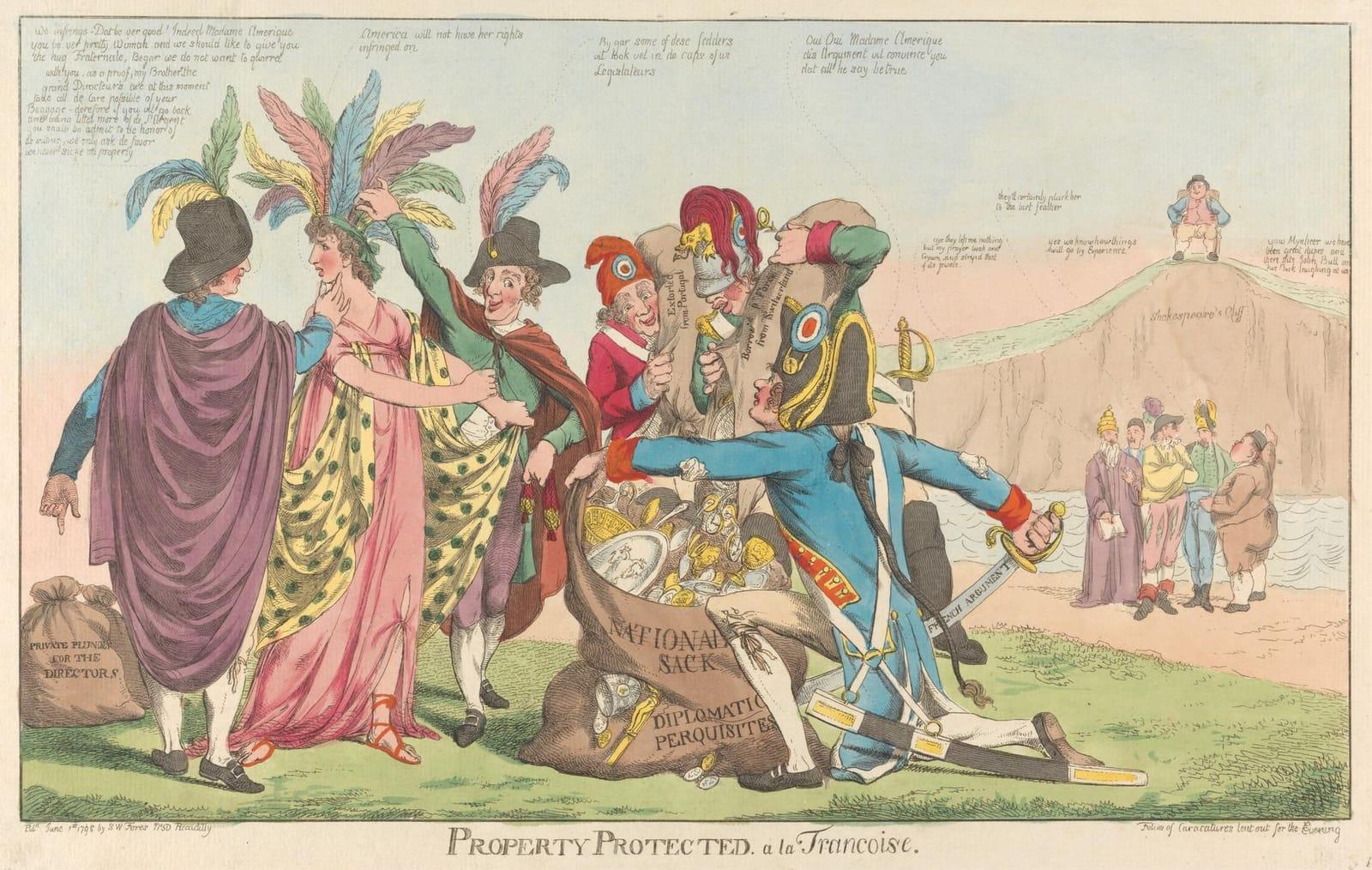
Answerable to Americans: Foreign Influence in Washington
Foreign governments spend heavily to shape American policy. Washington warned about it in 1796, and the laws meant to check it are full of gaps.