Venezuela and Iran: Two Uses of American Power
The Society backed one and opposes the other. The reason is a single test, and procedure has little to do with it.
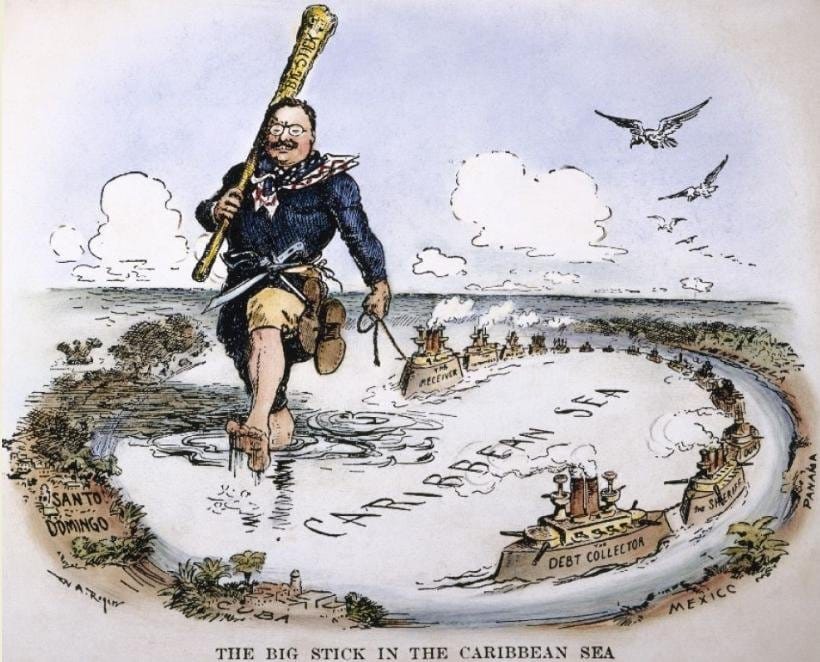
In 2026 the United States used force in two very different places. In our own hemisphere, it brought down Nicolás Maduro. In the Middle East, it went to war with Iran. The Society supported the first and opposes the second.
The reason is the test in our first Article. Does the action leave the American nation stronger, more prosperous and more secure? Venezuela passed. Iran has failed.
Results, not procedure
Many critics of the Iran war rest their case on process: the war was never declared, and Congress was pushed aside. That is not our argument. The Monroe Society is not a libertarian group. We have no quarrel with a strong executive or with American power used with force and speed. We judge a war by what it does for the country.
“Energy in the executive is a leading character in the definition of good government.”Alexander Hamilton, Federalist No. 70, 1788
Venezuela: power for American ends
Maduro's Venezuela sat inside our hemisphere and worked against us. It gave footholds to Russia, China, Iran and Cuba. It served as a corridor for drugs moving north. Its economic collapse drove millions of Venezuelans from their country, many of them toward our southern border. Americans paid those costs directly.
The operation that removed him was limited in scope and clear in purpose, and it took place where the Monroe Doctrine says American power matters most. Governments in Havana and Managua, and the outside powers that had invested in Caracas, drew their own conclusions. The hemisphere is safer for the United States because of it.
Iran: power for others' ends
The war with Iran has run the other way. It is being fought far from our hemisphere, in a regional contest whose main stakes belong to other countries. It has cost American lives and a great deal of American money, and higher prices have reached American households. It has drawn down munitions and ships that deterrence in the Pacific and the Caribbean depends on. And it has weakened America's standing, with allies who question our judgment and with rivals who are glad to see us tied down.
A war can be costly and still be right, if what it secures for the country is worth the price. Supporters of this war have never made that case. They have offered reasons that matter a great deal to governments in the region. They have not shown what the United States gains.
One test, applied both ways
A policy built on American interest will sometimes call for force and sometimes for restraint. We backed action in Venezuela because it served the country. We oppose the Iran war because it does not. A formal declaration would not have changed our judgment.
- Ask first what an action secures for Americans: their safety, their prosperity and their standing in the world.
- Favor action close to home, where our interests are greatest and our power goes furthest.
- Expect a clear objective, so the country can tell whether it is winning.
- Judge by results. A mistake does not become wise because it was authorized, and a success does not become wrong because it was swift.
More from the Dispatch
All entries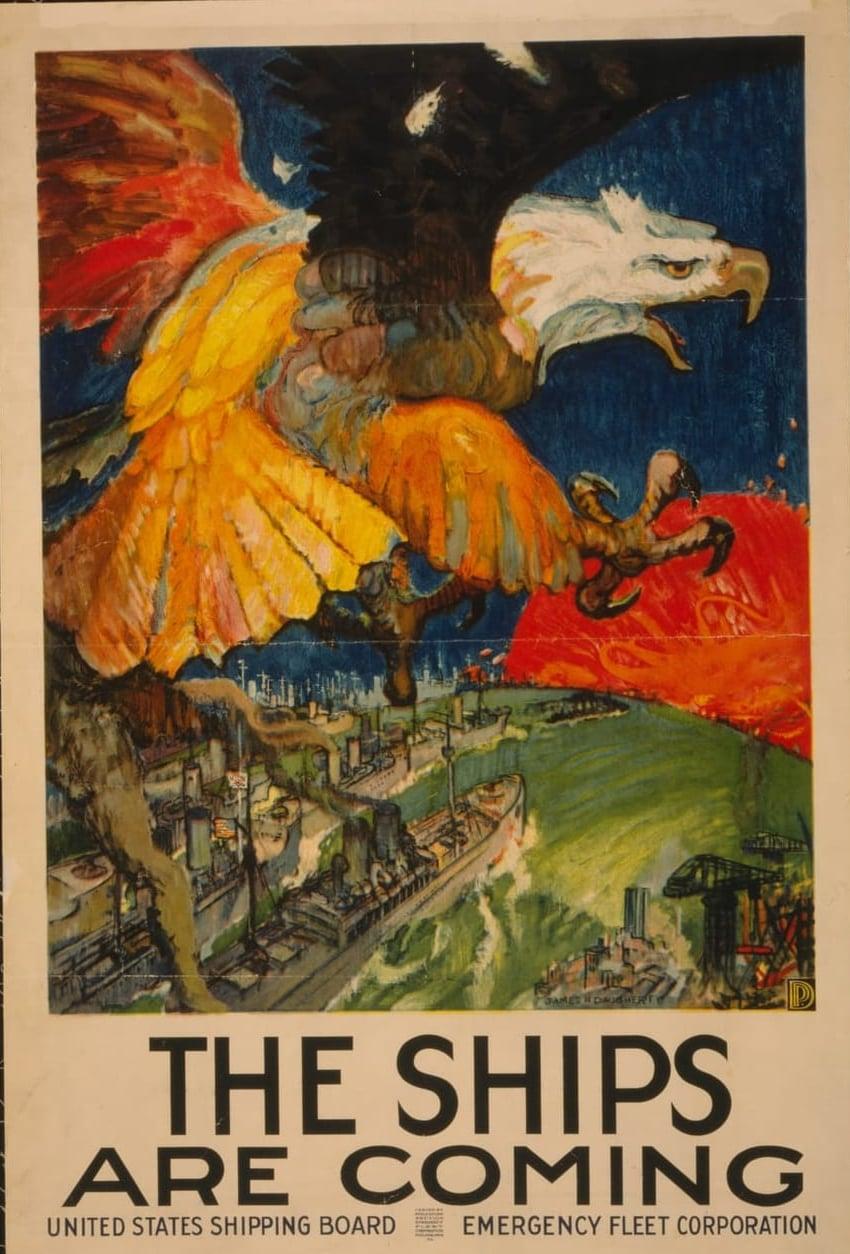
Ships for a Sea Power: Rebuilding American Shipbuilding
The country that built more than 2,700 Liberty ships in four years now builds a fraction of one percent of the world's commercial ships. Policy Brief No. 2 sets out how to change that.
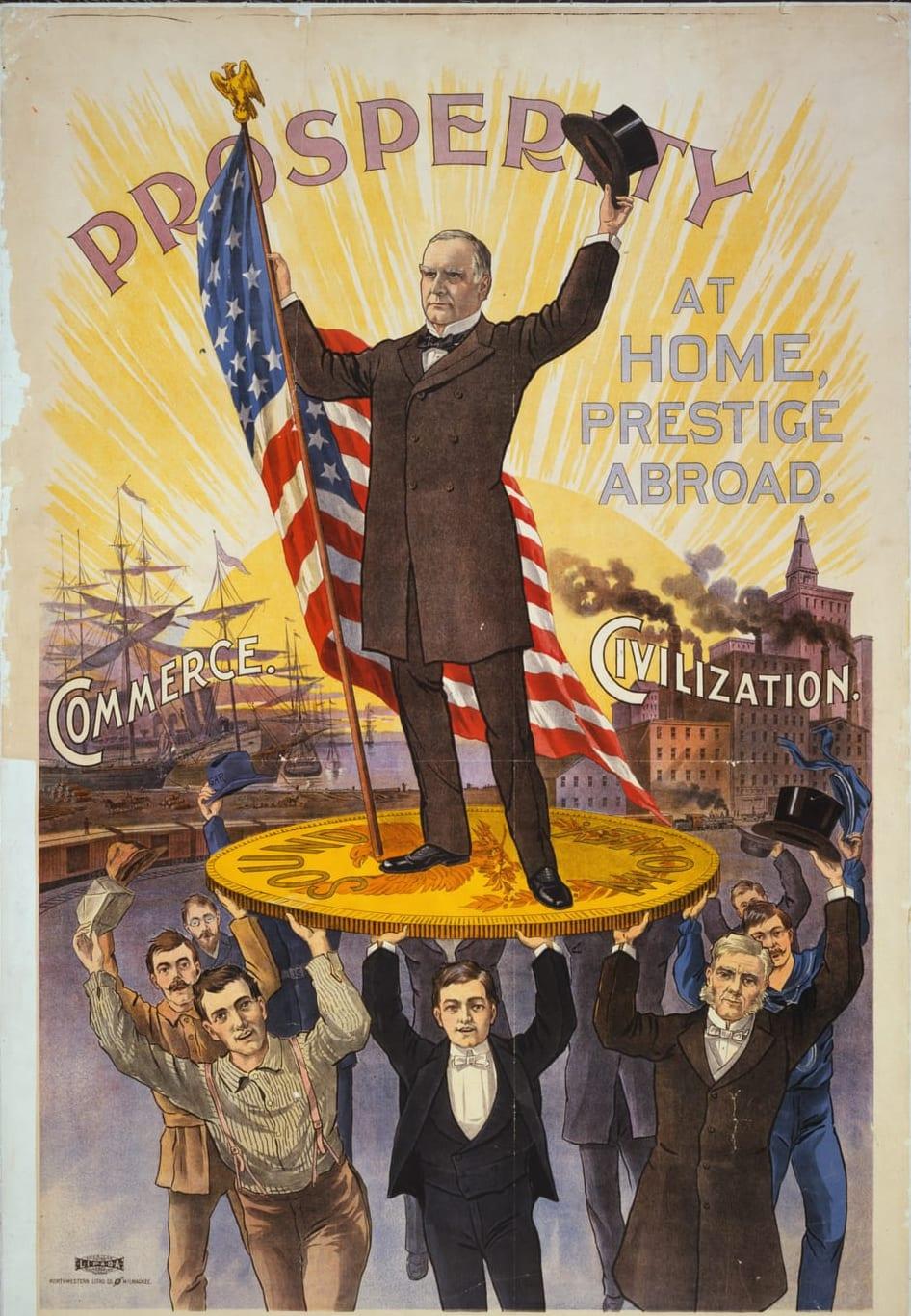
The American System: Tariffs and Industry as National Strategy
From Hamilton to McKinley, the United States built its industrial strength on purpose. The tradition is older and more practical than its critics admit.
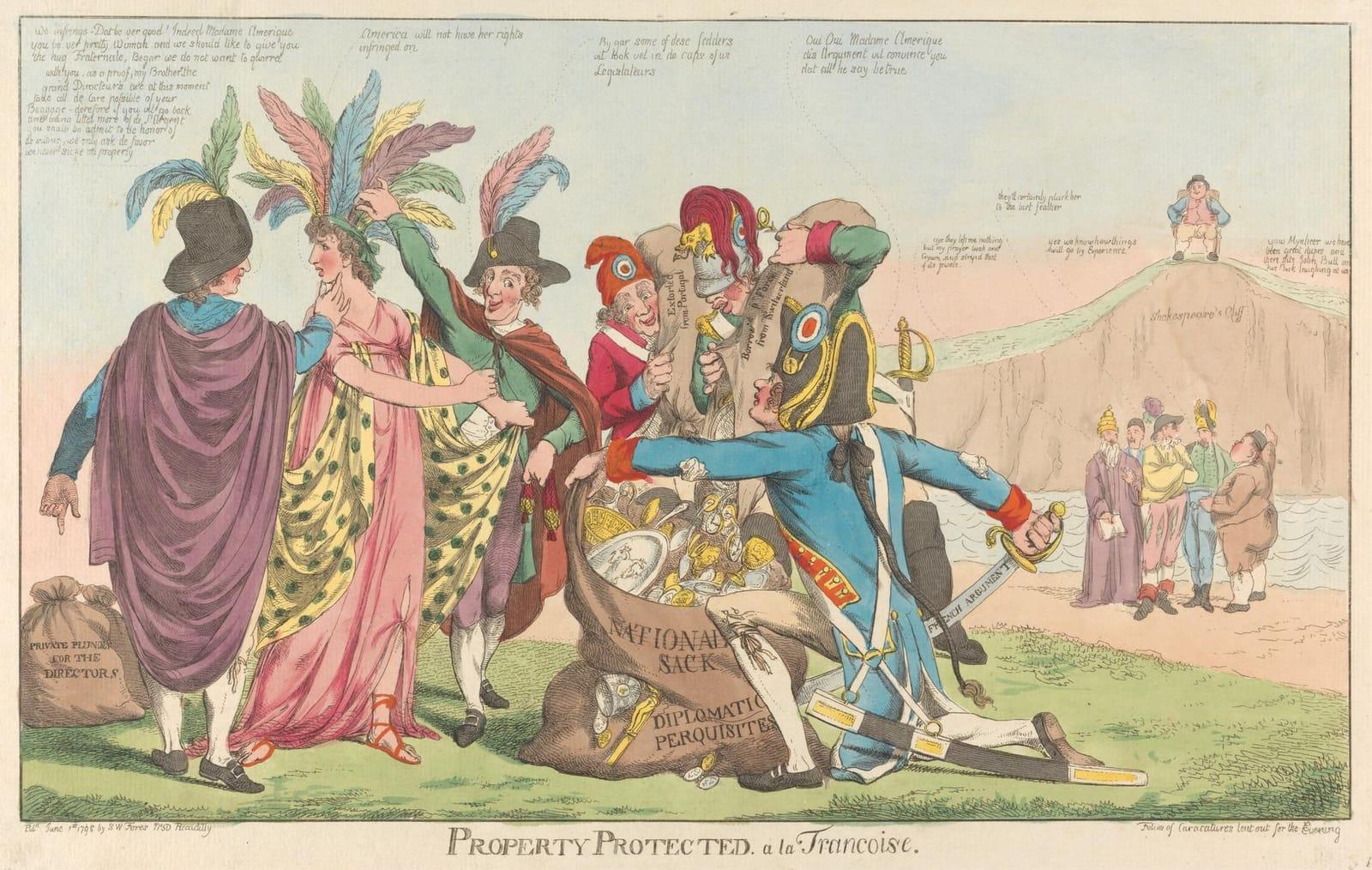
Answerable to Americans: Foreign Influence in Washington
Foreign governments spend heavily to shape American policy. Washington warned about it in 1796, and the laws meant to check it are full of gaps.