Introducing the Congressional Scorecard
Every member of Congress, graded on recorded votes that test the Ten Articles.
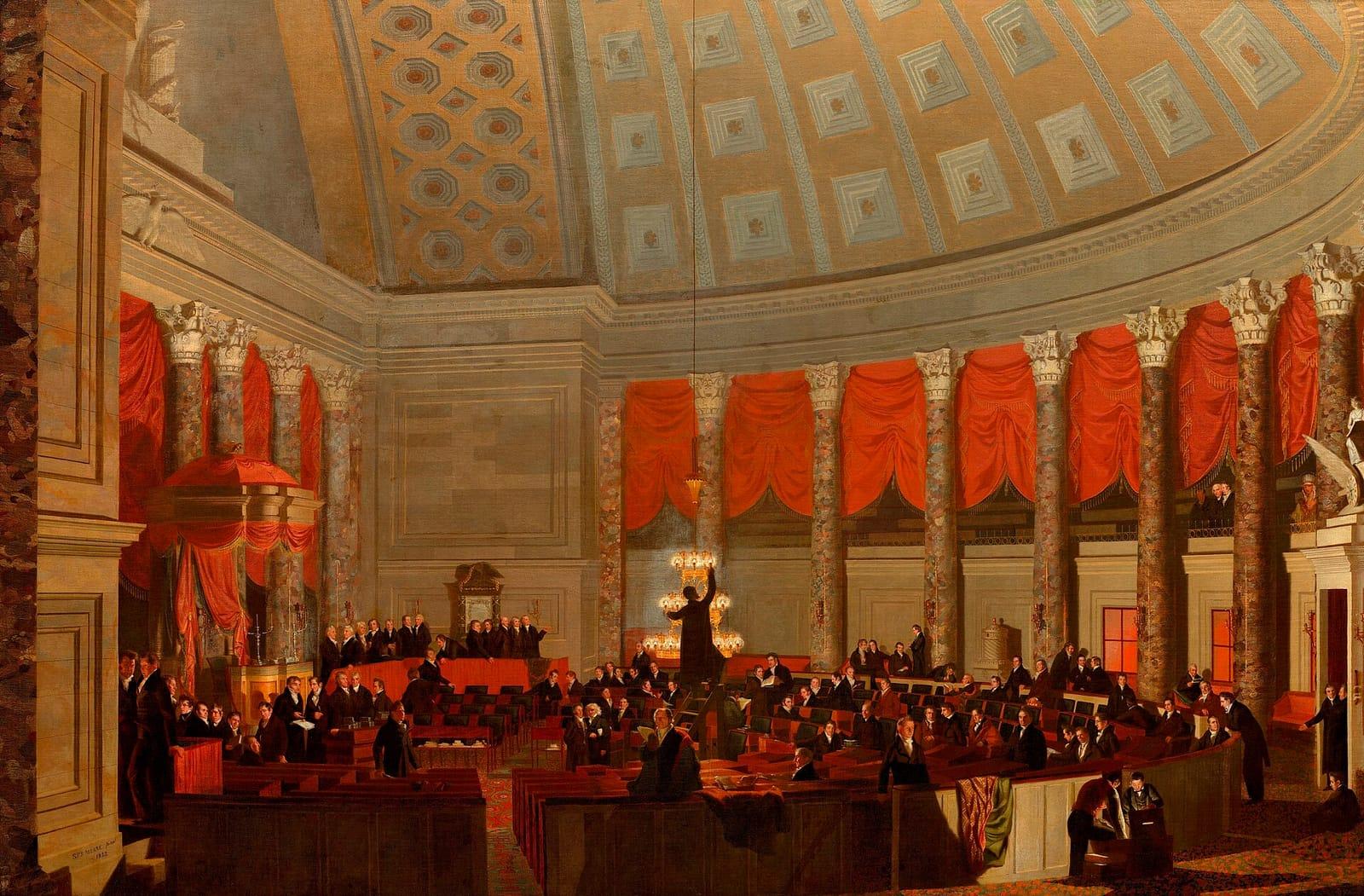
The Monroe Society has published its Congressional Scorecard, now live under Report Cards. It grades every member of the House and Senate on how they actually voted, using roll calls recorded in the 119th Congress.
Party labels tell voters less than they should about where a member stands on war, trade and the border. The recorded vote is the most reliable guide to what a member will do next.
What we grade
- No entangling wars: votes to bring American forces home from the war with Iran and on other open-ended commitments abroad.
- Hemisphere and border: votes on the Venezuela operation and on immigration enforcement.
- Foreign influence: resolutions of disapproval on proposed arms sales to foreign governments.
- Trade: votes on whether to keep or end the tariffs that protect American industry.
- Working Americans: votes on wages, health care, food aid and collective bargaining.
- Integrity: votes on government transparency.
Each category is tied to one or more of the Ten Articles, and each vote is scored by whether it served the American interest as the Articles define it. Members receive a grade in every category and an overall grade. The war, hemisphere, foreign influence and trade categories carry the most weight.
Check our work
Vote records come from Voteview, the congressional roll-call database maintained at UCLA. Every scored vote is listed on the Scorecard with its bill, its date and the position the Society counts as aligned, so readers can see exactly how each grade was reached.
The Scorecard measures votes. Our endorsements consider more: a candidate's full record, judgment and character, and the race itself. The votes are where we start.
More from the Journal
All entries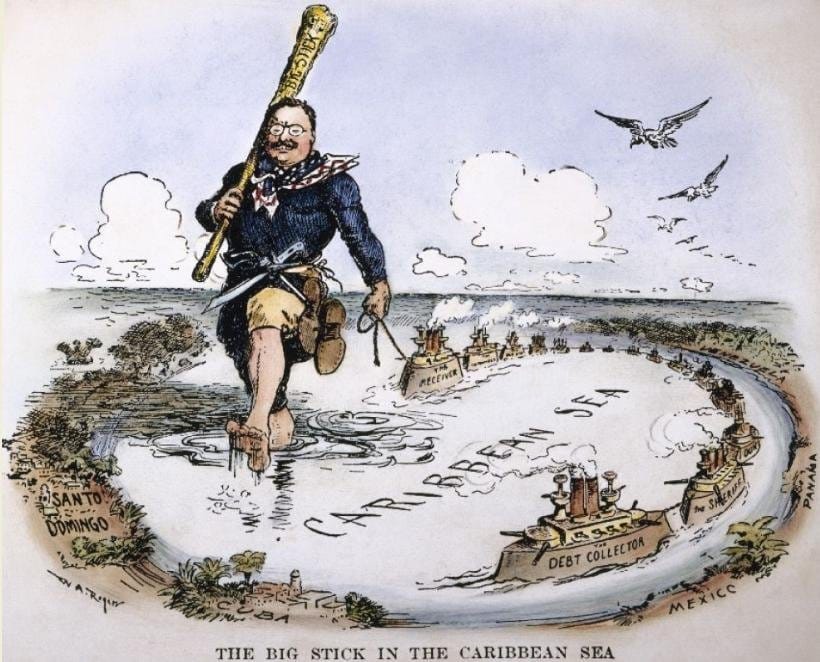
Venezuela and Iran: Two Uses of American Power
The Society backed one and opposes the other. The reason is a single test, and procedure has little to do with it.
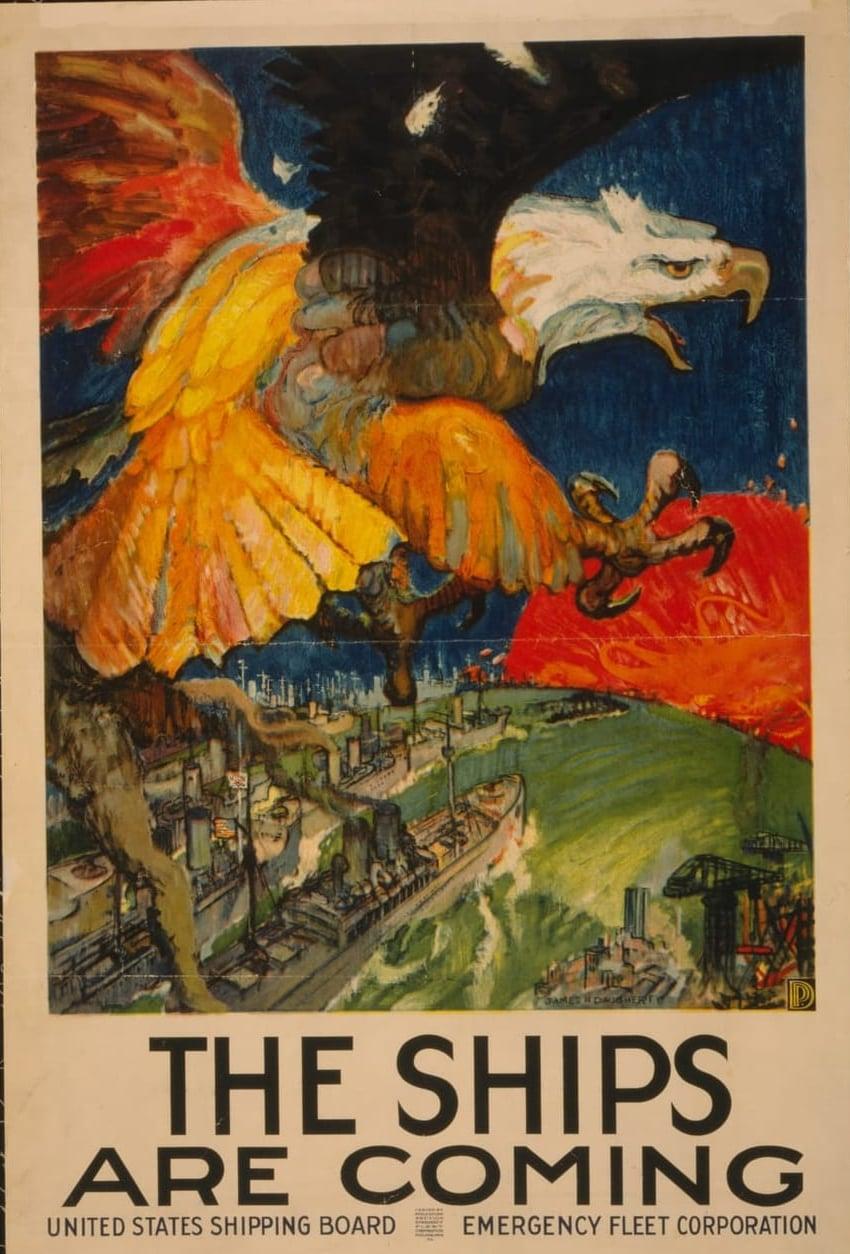
Ships for a Sea Power: Rebuilding American Shipbuilding
The country that built more than 2,700 Liberty ships in four years now builds a fraction of one percent of the world's commercial ships. Policy Brief No. 2 sets out how to change that.
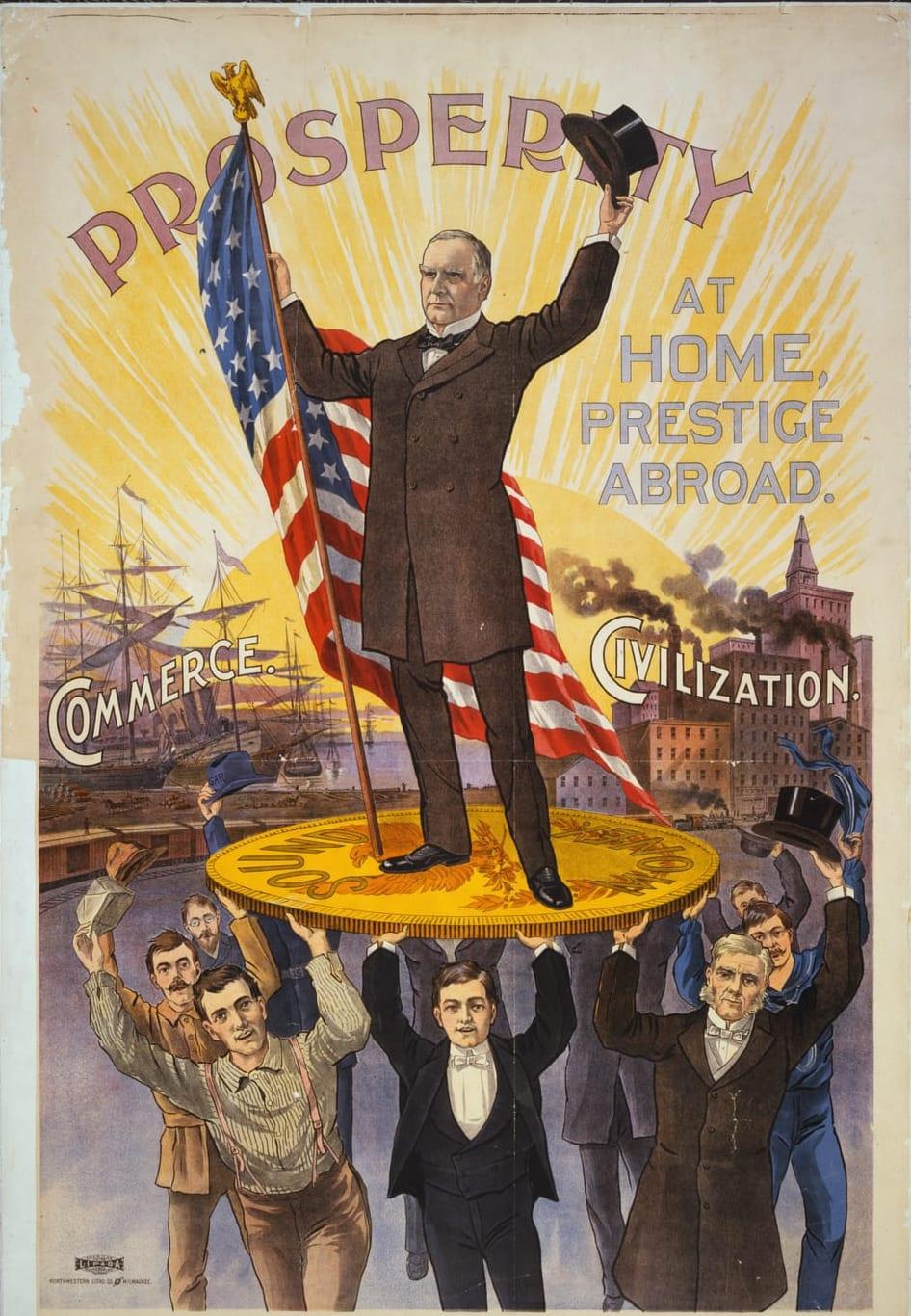
The American System: Tariffs and Industry as National Strategy
From Hamilton to McKinley, the United States built its industrial strength on purpose. The tradition is older and more practical than its critics admit.