Ships for a Sea Power: Rebuilding American Shipbuilding
The country that built more than 2,700 Liberty ships in four years now builds a fraction of one percent of the world's commercial ships. Policy Brief No. 2 sets out how to change that.
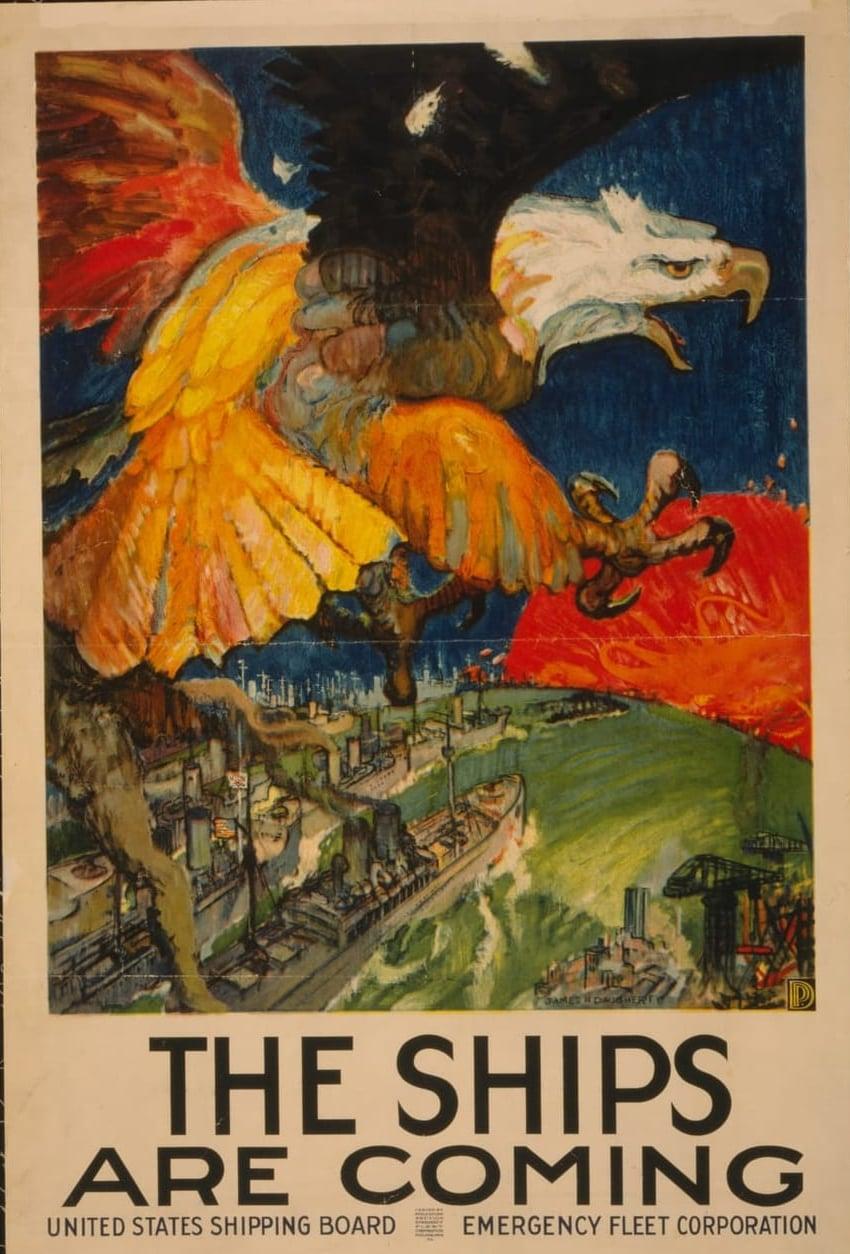
Sea power has always rested on more than warships. A navy needs shipyards that can build and repair its vessels, a merchant fleet to carry fuel and supplies, and mariners to crew it. In both world wars the United States had all three or built them in a hurry. Between 1941 and 1945 American yards launched more than 2,700 Liberty ships, along with hundreds of faster Victory ships, tankers and the warships that won the Pacific.
Most of that capacity is gone. China now builds about half of the world's commercial ships by tonnage. South Korea and Japan build most of the rest. The American share rounds to zero.
View as table
| Approximate share of global commercial shipbuilding by tonnage, 2023 | |
|---|---|
| China | 51% |
| South Korea | 28% |
| Japan | 15% |
| Rest of world | 6% |
| United States | 0.1% |
How it was lost
The decline followed from policy choices made over decades. The Merchant Marine Act of 1936 created construction and operating subsidies to keep American yards and ships competitive with foreign builders who had lower costs and government support. In 1981 Washington stopped funding new construction subsidies. Other governments kept going. Japan, then South Korea and then China treated shipbuilding as a national project, backed by cheap credit and directed demand. China went further and tied its commercial yards closely to its naval buildup.
As commercial orders went abroad, American yards closed or came to depend almost entirely on Navy contracts. Fewer yards meant less competition and a thinner pool of skilled workers, which raised costs and slowed schedules for the Navy itself. The Government Accountability Office has documented years of delays and cost overruns across naval shipbuilding programs.
Why it matters
In a long conflict, the side that can build and repair ships faster has the advantage. Today that side is China. The merchant fleet tells a similar story. Fewer than two hundred privately owned, oceangoing commercial ships fly the American flag, and the Maritime Administration has warned that the country may not have enough licensed mariners to crew its reserve sealift fleet through a sustained crisis.
The economic case is just as direct. Most of America's overseas trade by weight moves by sea, and only a small share of it travels on American ships. A country that relies on foreign carriers and foreign yards for its commerce has given others leverage over its economy.
What to do
- Designate commercial shipbuilding a strategic industry and fund it with multiyear orders, so yards can invest in new docks, cranes and modern production methods.
- Grow the American-flag fleet by expanding the Maritime Security Program, enforcing cargo preference on government-financed shipments, and phasing in a requirement that a share of energy exports travel on American ships.
- Keep the Jones Act, which since 1920 has reserved shipping between American ports for vessels built, owned and crewed by Americans, and enforce it.
- Charge port fees on ships built or operated by Chinese state-directed companies, and put the revenue into American yards.
- Train a new generation of welders, pipefitters, naval architects and mariners through paid apprenticeships and the state maritime academies.
- Welcome investment from allied shipbuilders in Korea and Japan when the ships are built here, by American workers, under American law.
Where things stand
Congress has bipartisan legislation to start from. The SHIPS for America Act, first introduced in December 2024, would create a strategic commercial fleet and fund much of this agenda. In 2025 the U.S. Trade Representative, acting on a petition from five labor unions, found China's targeting of the maritime and shipbuilding sectors unreasonable and announced fees on Chinese-built and Chinese-operated ships calling at American ports.
Those are beginnings. The measure of success is keels laid in American yards.
More from the Journal
All entries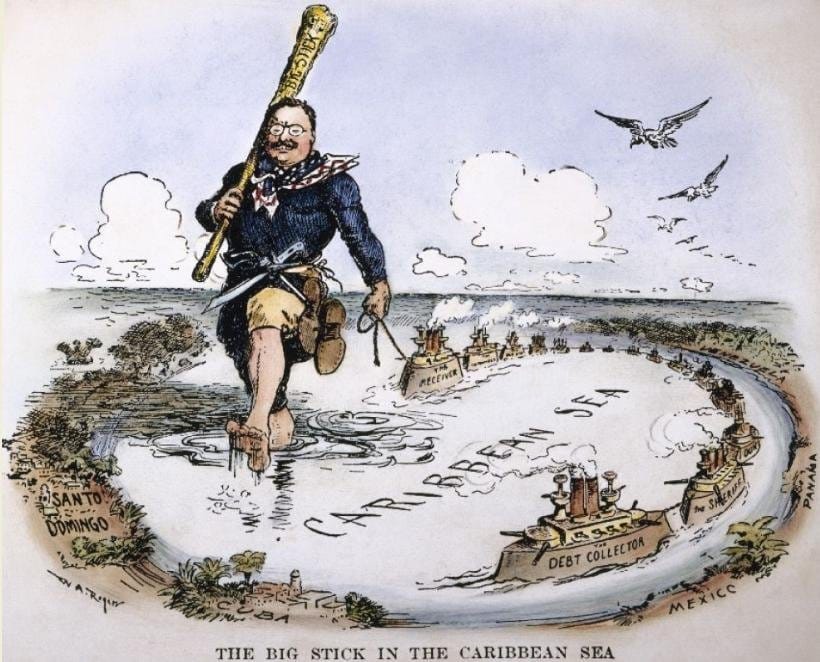
Venezuela and Iran: Two Uses of American Power
The Society backed one and opposes the other. The reason is a single test, and procedure has little to do with it.
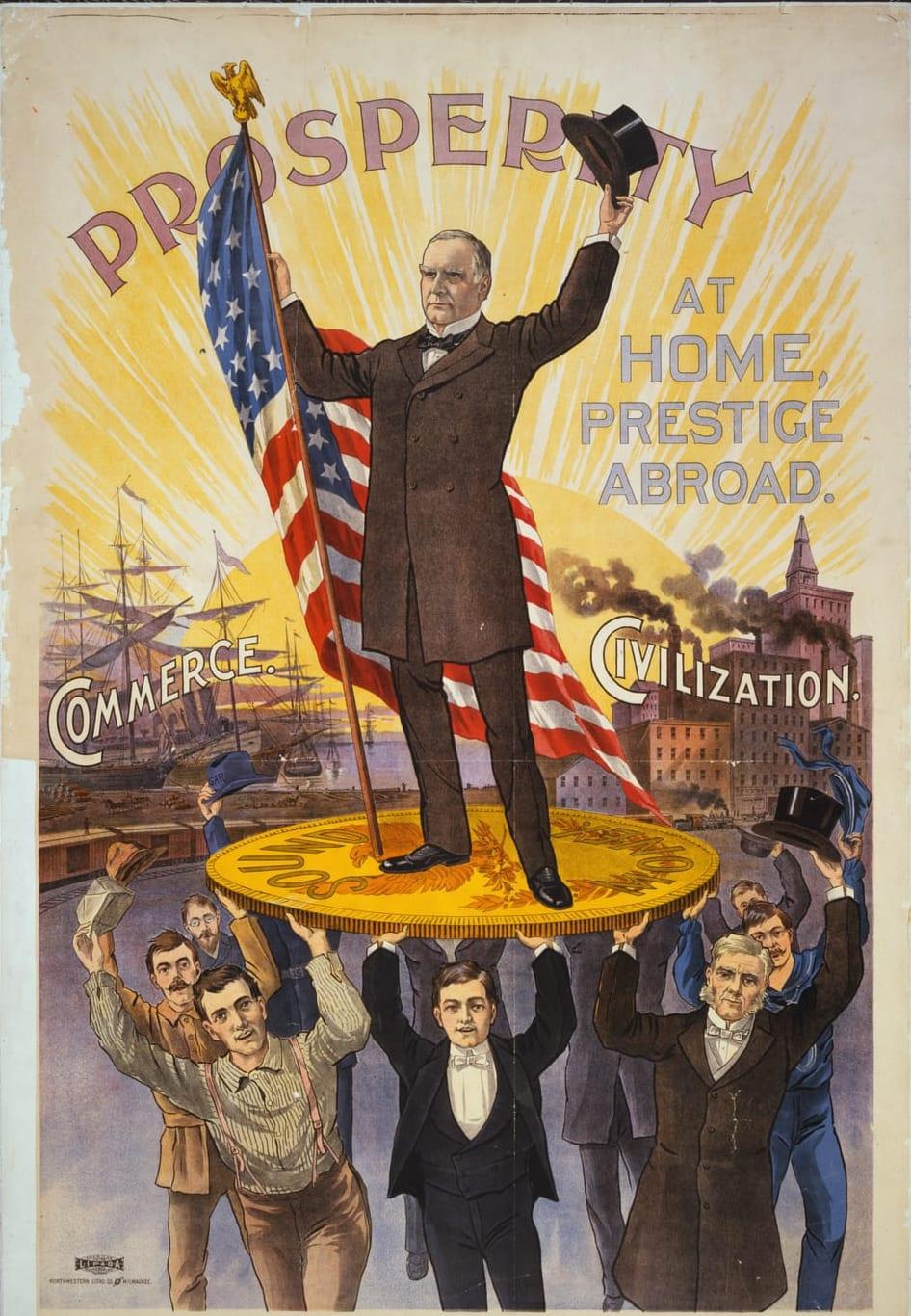
The American System: Tariffs and Industry as National Strategy
From Hamilton to McKinley, the United States built its industrial strength on purpose. The tradition is older and more practical than its critics admit.
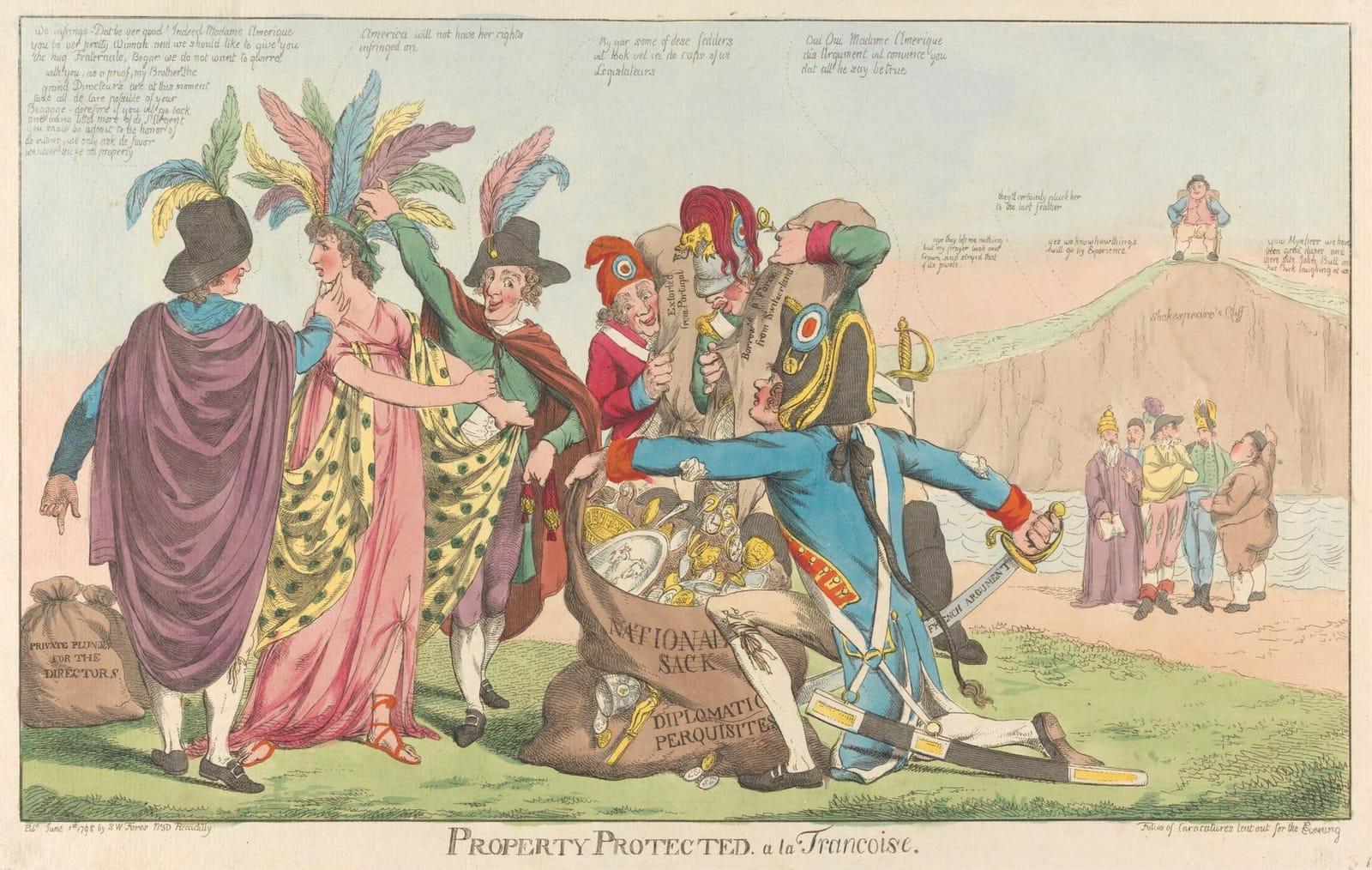
Answerable to Americans: Foreign Influence in Washington
Foreign governments spend heavily to shape American policy. Washington warned about it in 1796, and the laws meant to check it are full of gaps.