Why We Started the Monroe Society
Our founding statement: what we believe, why we chose Monroe's name, and where we go from here.
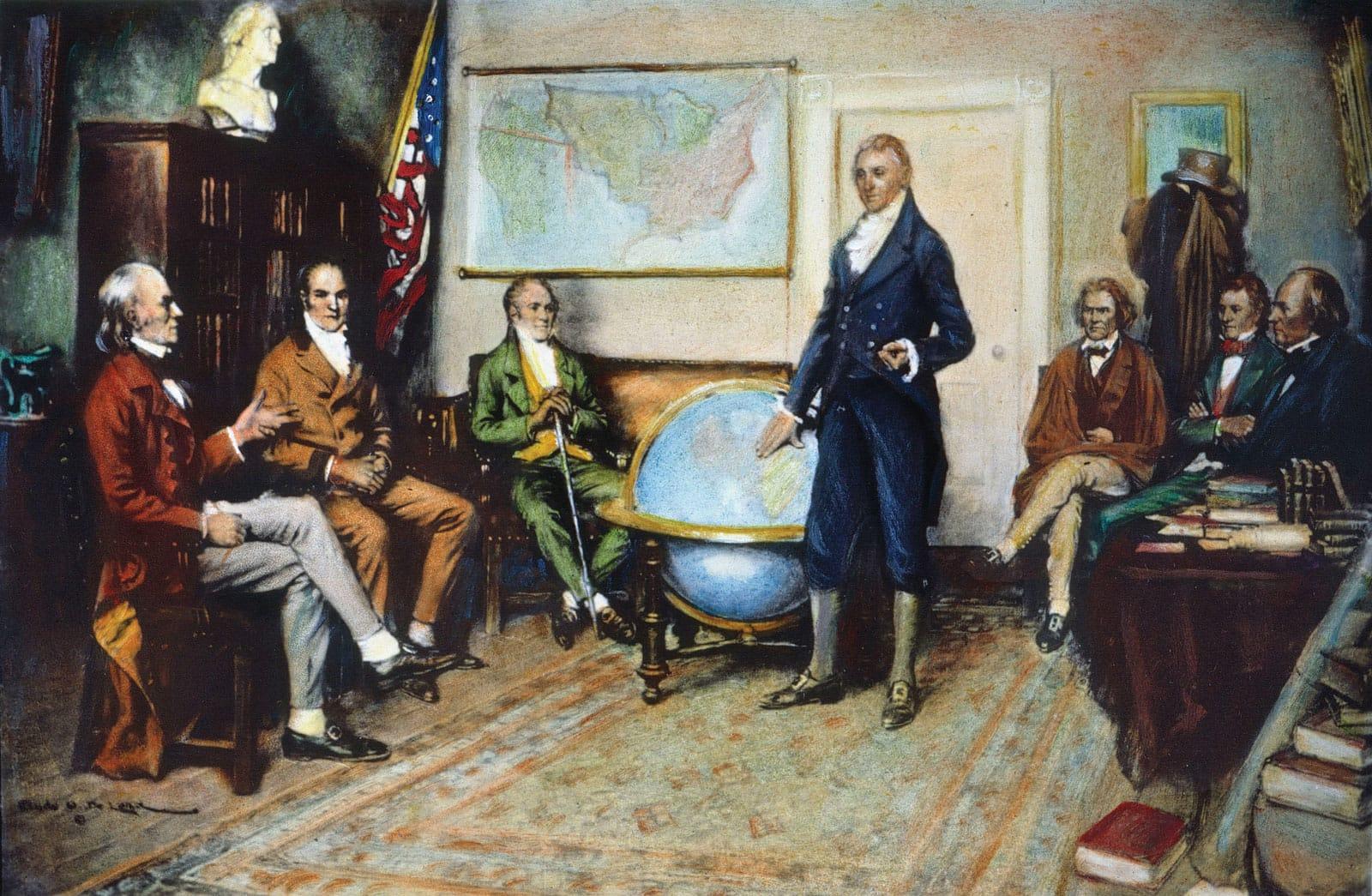
In December 1823, James Monroe told the powers of Europe that the Americas were closed to them. The United States had a small navy and a smaller army. It said so anyway, and the principle has anchored American strategy ever since.
The country needs that kind of plain statement again. For a generation, foreign policy has wandered from one distant war to the next, and trade policy has built up other countries' factories at the expense of our own. Both parties share the blame. An older American tradition does better, and we intend to bring it back.
What the Society does
We publish news, opinion and history. We write policy briefs. And we organize members to endorse and campaign for candidates who hold to our principles, regardless of party.
“The American continents … are henceforth not to be considered as subjects for future colonization by any European powers.”James Monroe, 1823
What we believe
Our Ten Articles put it in writing. Judge every policy by what it does for Americans. Guard our own hemisphere first. Fight only the wars that serve America. Keep both diplomacy and force ready. Hold allies to their word. Make things here, pay workers well, and build big again. Honor achievement. Be one people. Govern with care, competence and honesty.
We draw on Hamilton and Monroe, Jackson and Polk, Clay and Lincoln, McKinley, both Roosevelts and the first President Bush. None of them was perfect, and we say so where it matters. We take what was best in each.
Where we go from here
The Society starts small, with a set of principles and a founding cohort. Through the 2027 elections and the 2028 presidential race, we plan to grow into a national organization with state chapters, a private members' forum, and a real say in who we support.
More from the Dispatch
All entries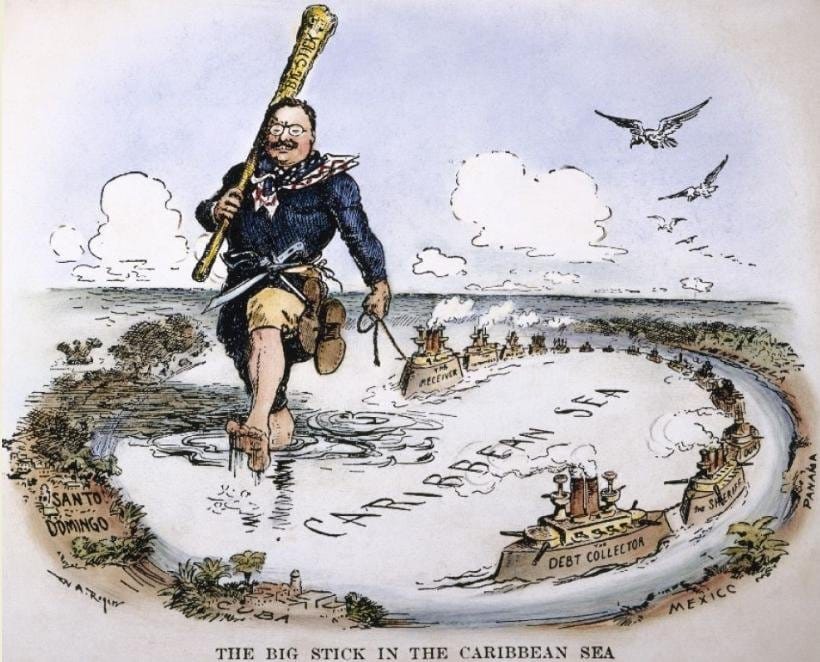
Venezuela and Iran: Two Uses of American Power
The Society backed one and opposes the other. The reason is a single test, and procedure has little to do with it.
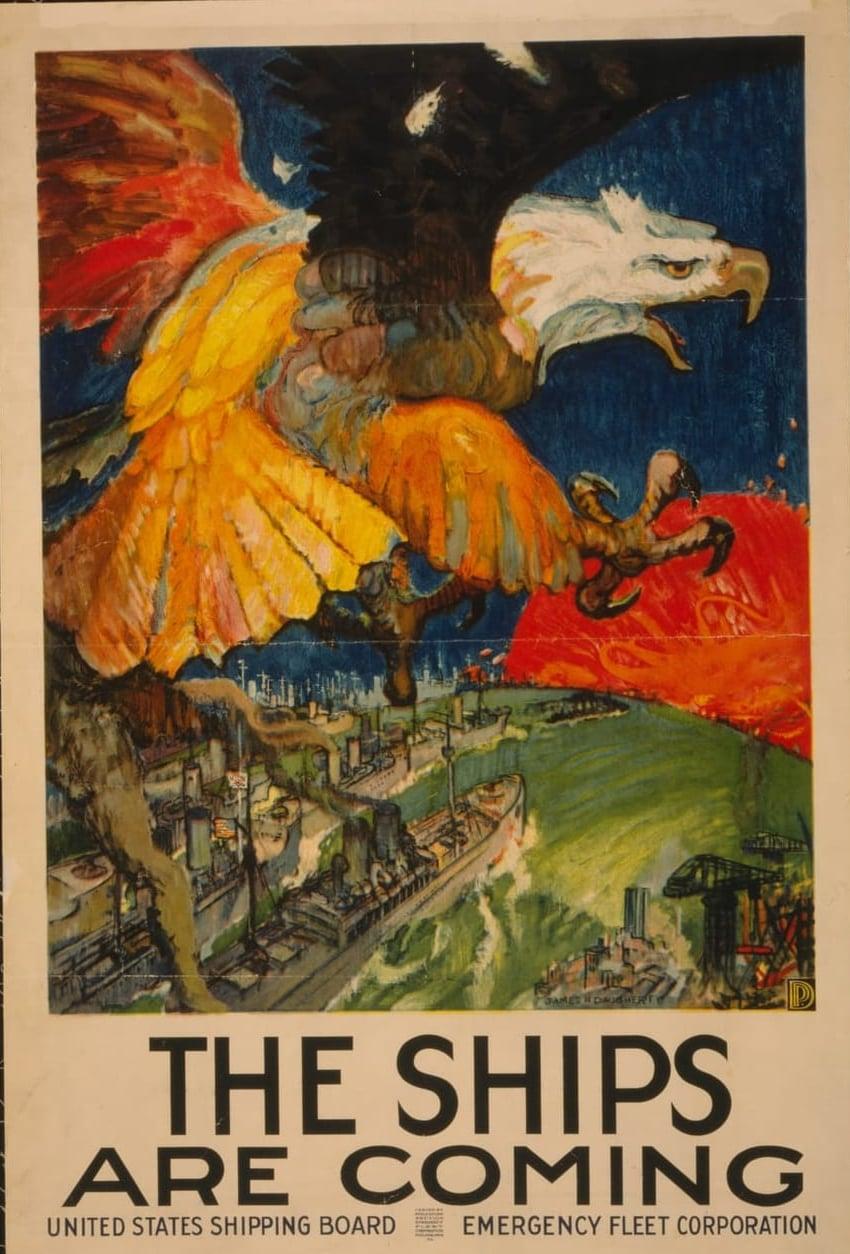
Ships for a Sea Power: Rebuilding American Shipbuilding
The country that built more than 2,700 Liberty ships in four years now builds a fraction of one percent of the world's commercial ships. Policy Brief No. 2 sets out how to change that.
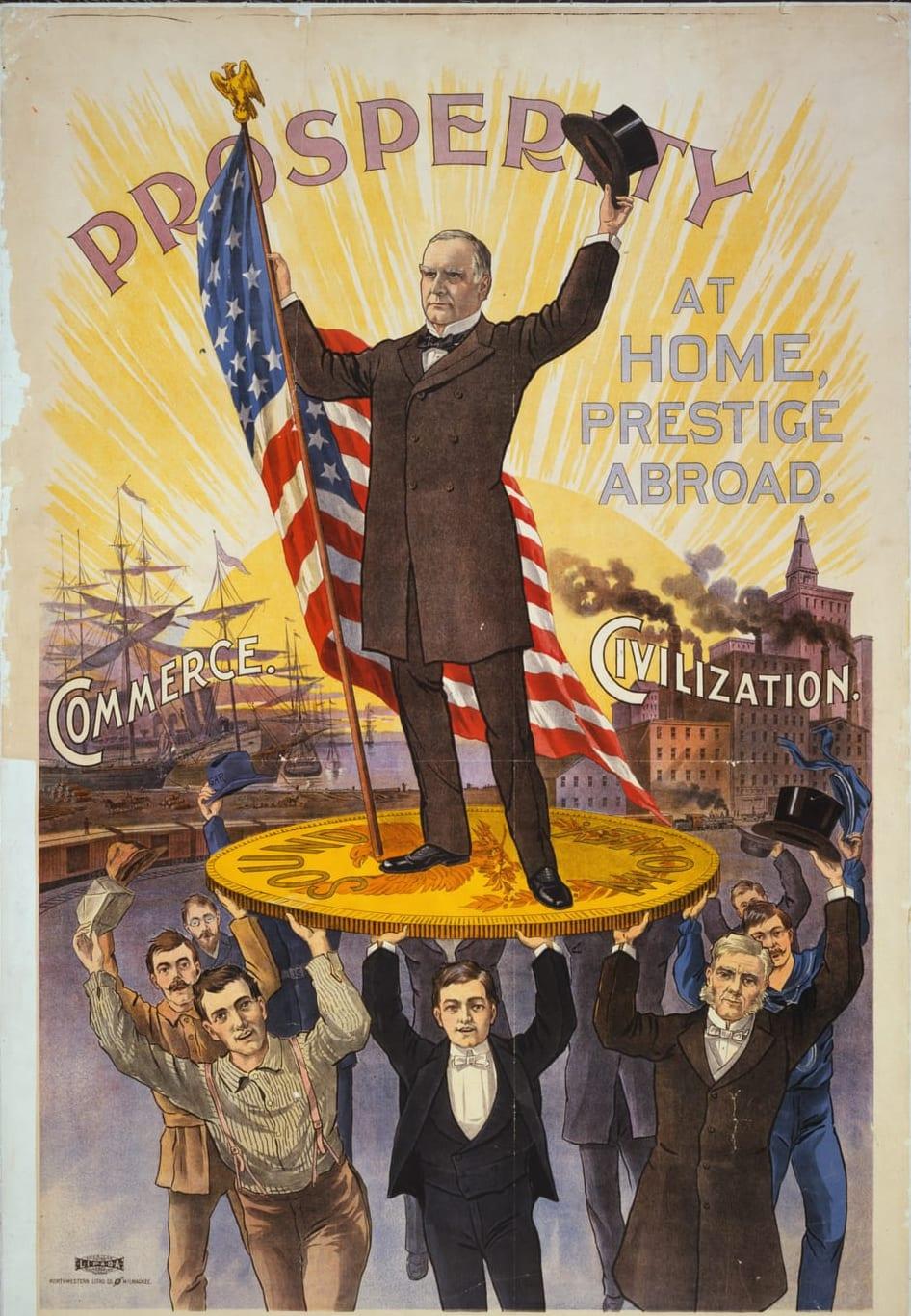
The American System: Tariffs and Industry as National Strategy
From Hamilton to McKinley, the United States built its industrial strength on purpose. The tradition is older and more practical than its critics admit.