The Hemisphere Comes First
Why removing Maduro made America stronger, and why the war in Iran does the opposite.
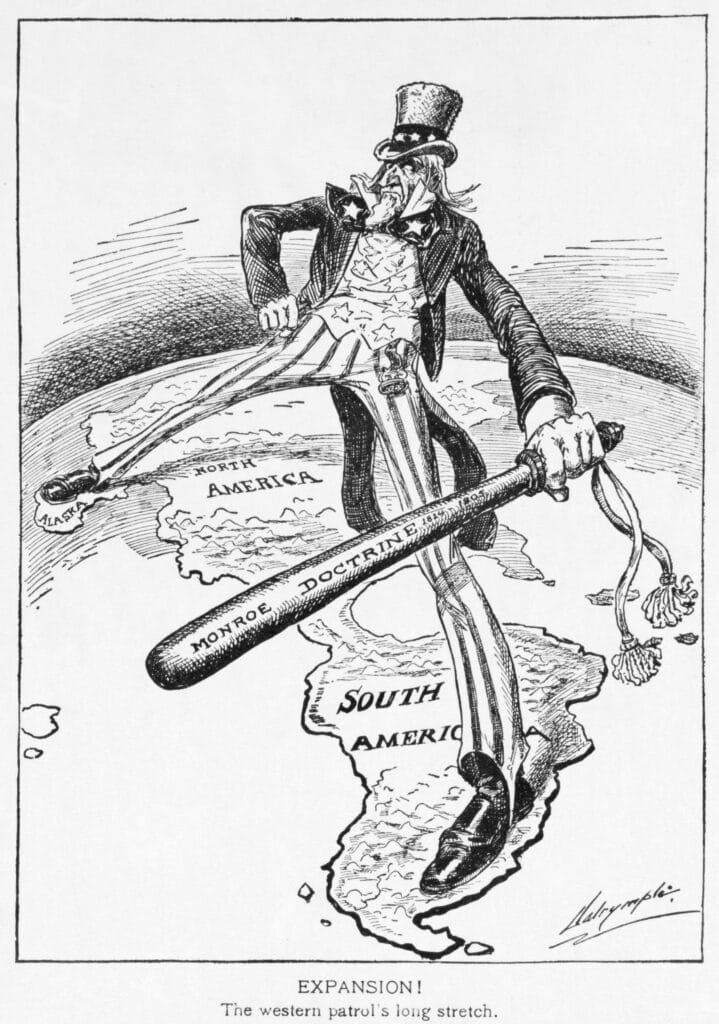
A nationalist foreign policy is a policy of priorities. Since 1823, the first American priority has been the security of our own hemisphere.
That explains a position some commentators find confusing: we supported the removal of Nicolás Maduro, and we oppose the war in Iran. Both were uses of force. The difference is whether each one serves the United States.
Venezuela fits the Doctrine
Under Maduro, Venezuela became a narco-state in our hemisphere. It gave Russia, China, Iran and Cuba a foothold, and it sent drugs, gangs and millions of migrants north. Removing that regime was decisive action, close to home, for a direct American interest. Every capital in the region noticed.
There is precedent. In 1989 the first President Bush removed Manuel Noriega from Panama in a matter of weeks, with clear aims and a clear end.
- 1823The DoctrineMonroe tells Europe the Americas are closed to new colonization.
- 1845Polk restates itPolk applies the principle to North America in his first annual message.
- 1867France leaves MexicoUnder American pressure, French troops withdraw and Maximilian's empire falls.
- 1904Roosevelt CorollaryTheodore Roosevelt adds that America will act to keep European powers out.
- 1962Cuban Missile CrisisKennedy forces Soviet nuclear missiles out of Cuba.
- 1989PanamaThe first President Bush removes Manuel Noriega.
- 2026VenezuelaNicolás Maduro is removed from power and brought to justice.
Iran does not
The war in Iran fails that test. It serves no American interest, drawing us into a regional struggle whose stakes belong mainly to others. It has cost American lives, raised prices at home and weakened America's standing. It uses up munitions our own deterrence needs and pulls ships away from the Pacific and the Caribbean, which gives China and Russia what they want: an America that is tired and stretched.
“In the wars of the European powers in matters relating to themselves we have never taken any part, nor does it comport with our policy so to do.”James Monroe, 1823
The rule of thumb
- In our hemisphere, act firmly against regimes, cartels and foreign powers that threaten us.
- Beyond it, lead through alliances that serve us, deter through strength, and refuse wars fought for other nations' aims.
- Everywhere, ask whether the action leaves the United States stronger.
More from the Dispatch
All entries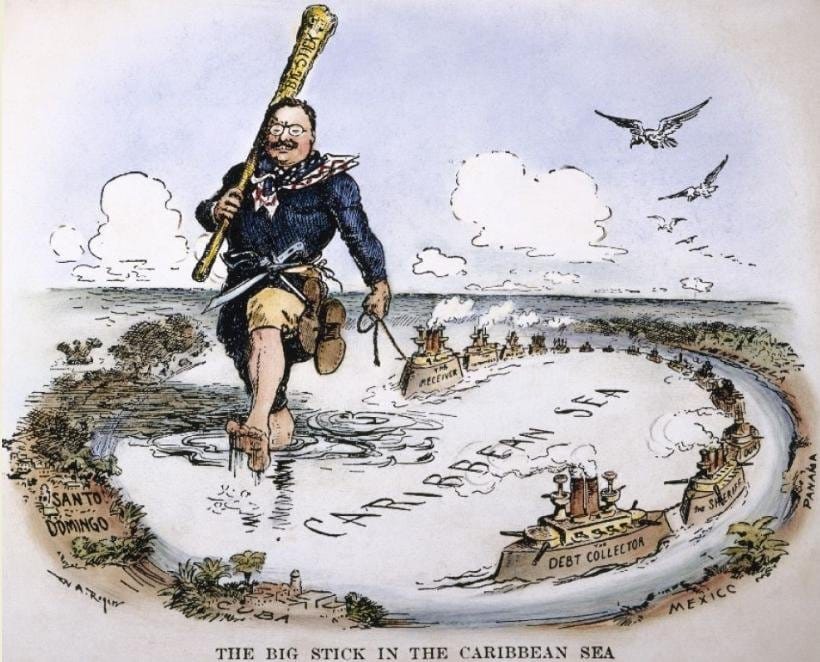
Venezuela and Iran: Two Uses of American Power
The Society backed one and opposes the other. The reason is a single test, and procedure has little to do with it.
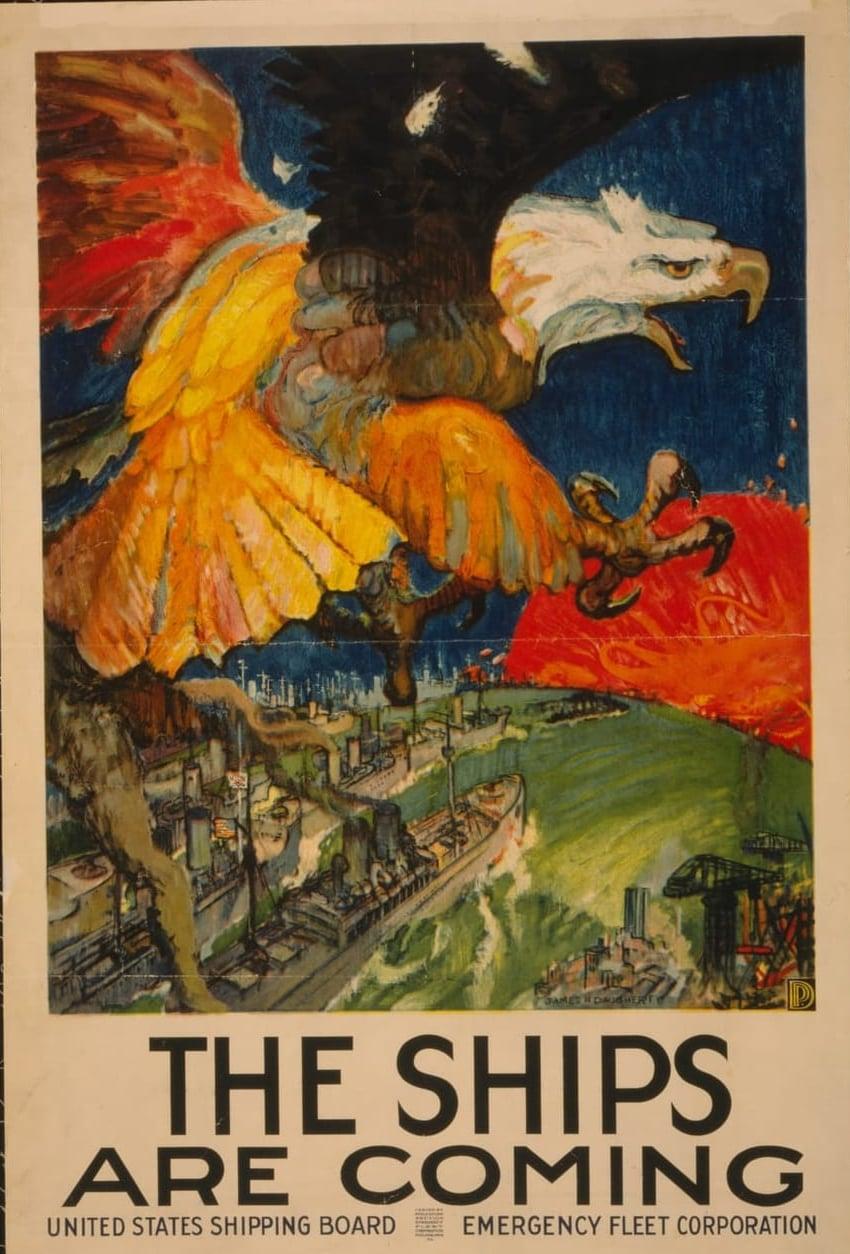
Ships for a Sea Power: Rebuilding American Shipbuilding
The country that built more than 2,700 Liberty ships in four years now builds a fraction of one percent of the world's commercial ships. Policy Brief No. 2 sets out how to change that.
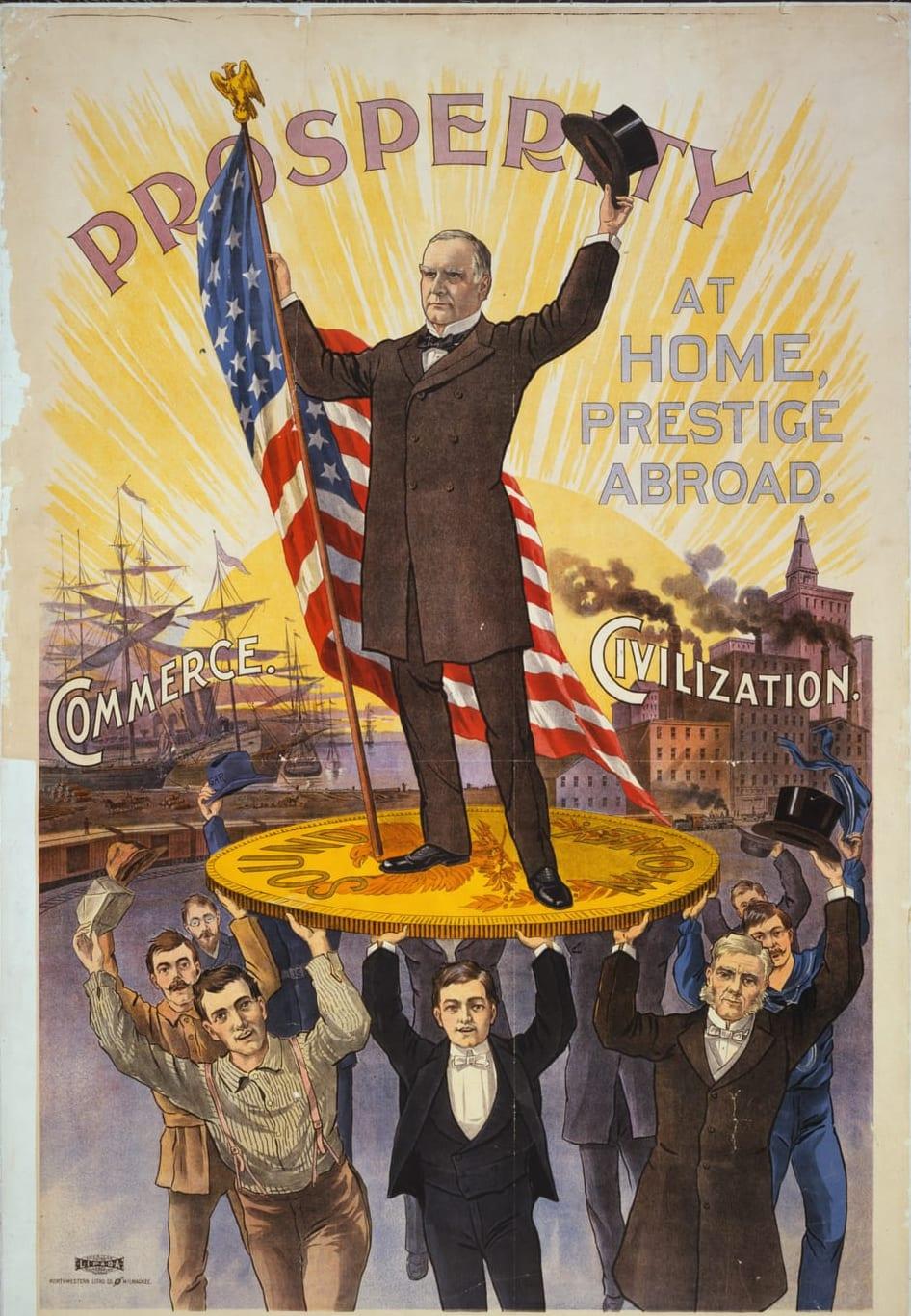
The American System: Tariffs and Industry as National Strategy
From Hamilton to McKinley, the United States built its industrial strength on purpose. The tradition is older and more practical than its critics admit.